Choosing the wrong pallet box does not just affect storage. It can create handling issues, wasted space, damaged goods and unnecessary rework across your operation.
Plastic pallet boxes are widely used for bulk storage, palletised transport and industrial material handling, but not every pallet box is suited to the same job. The right choice depends on what you are storing, how it will be moved, whether it needs airflow or full containment, and how often the box will be handled.
This guide breaks down the key decisions so you can choose a pallet box that fits your operation properly.
What Is a Plastic Pallet Box?

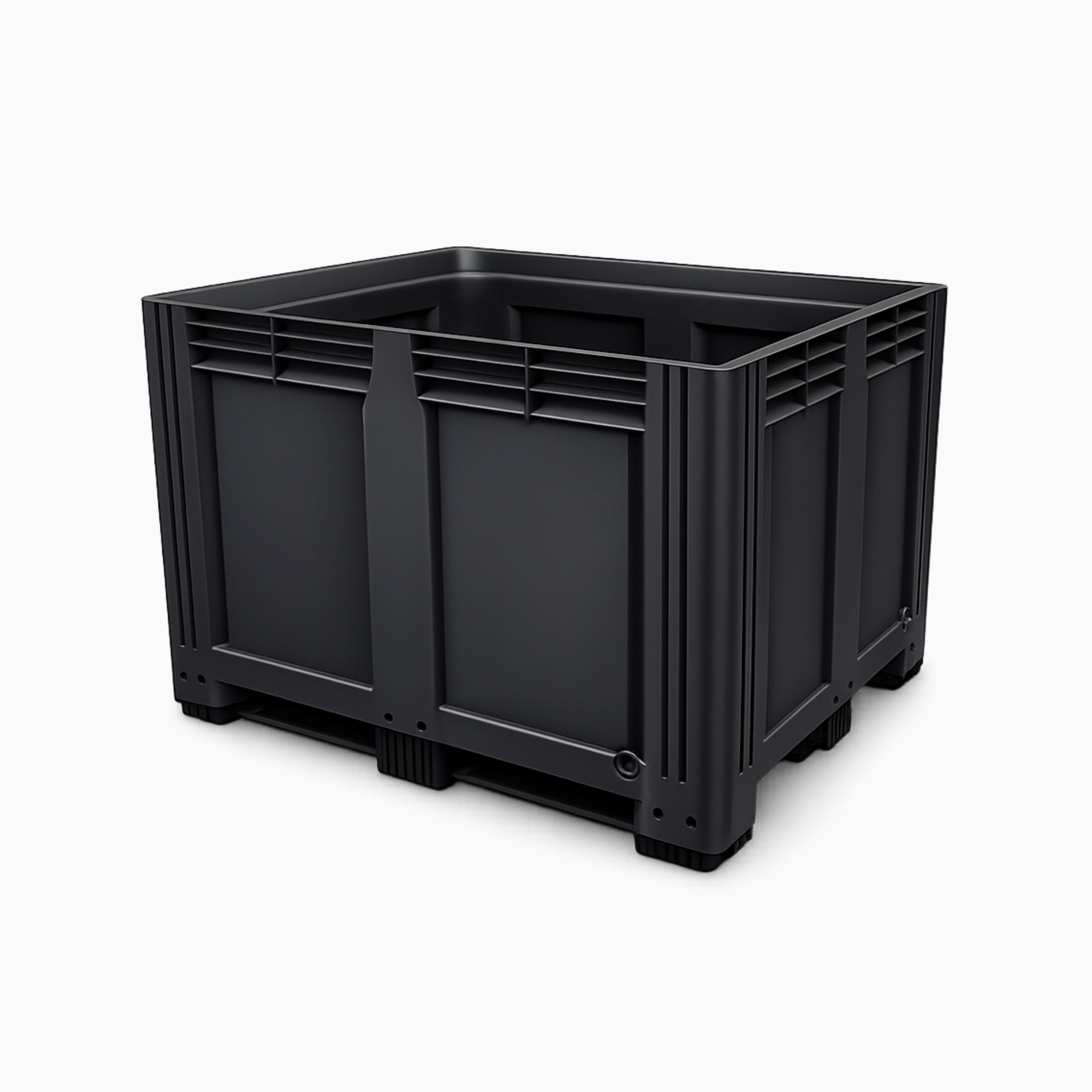
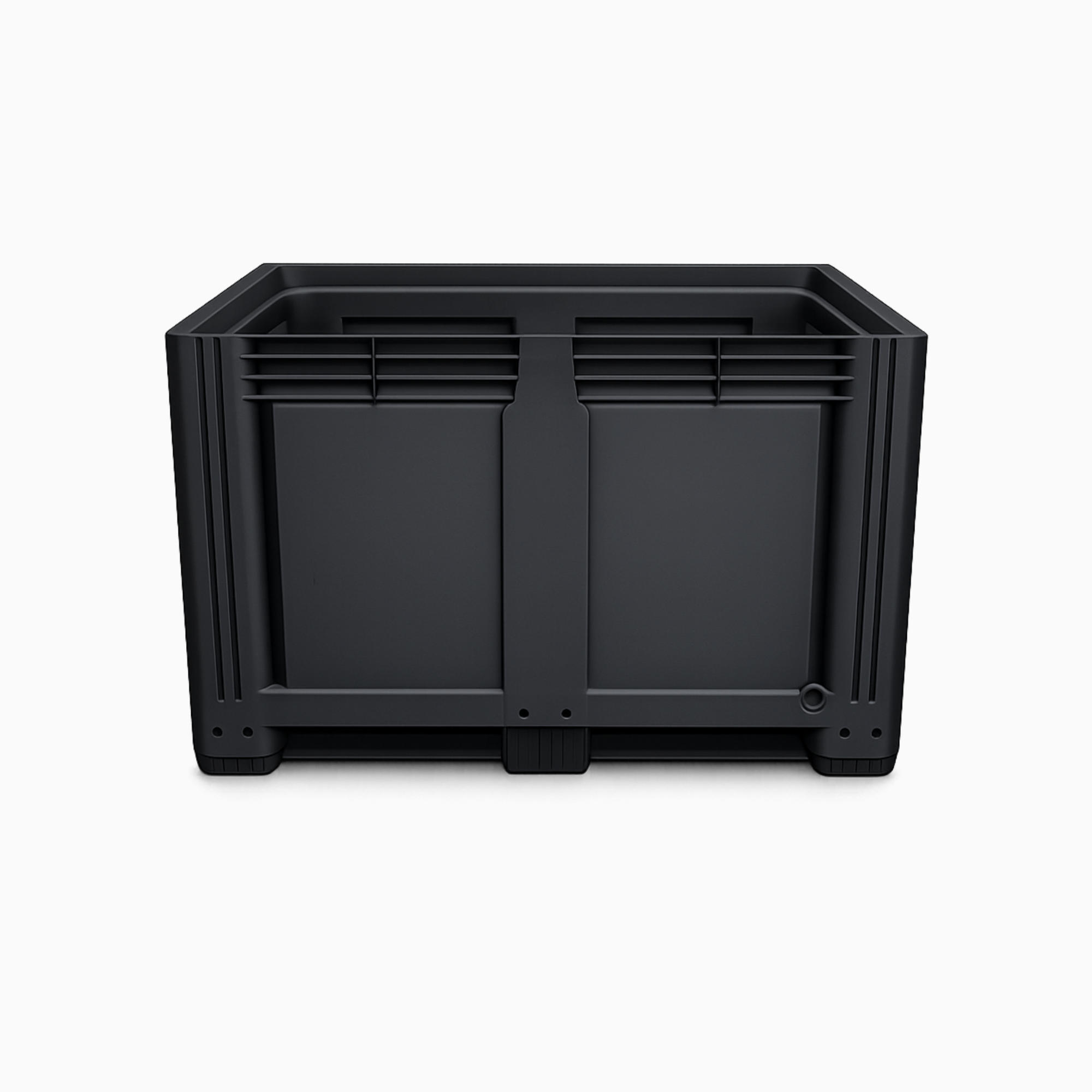
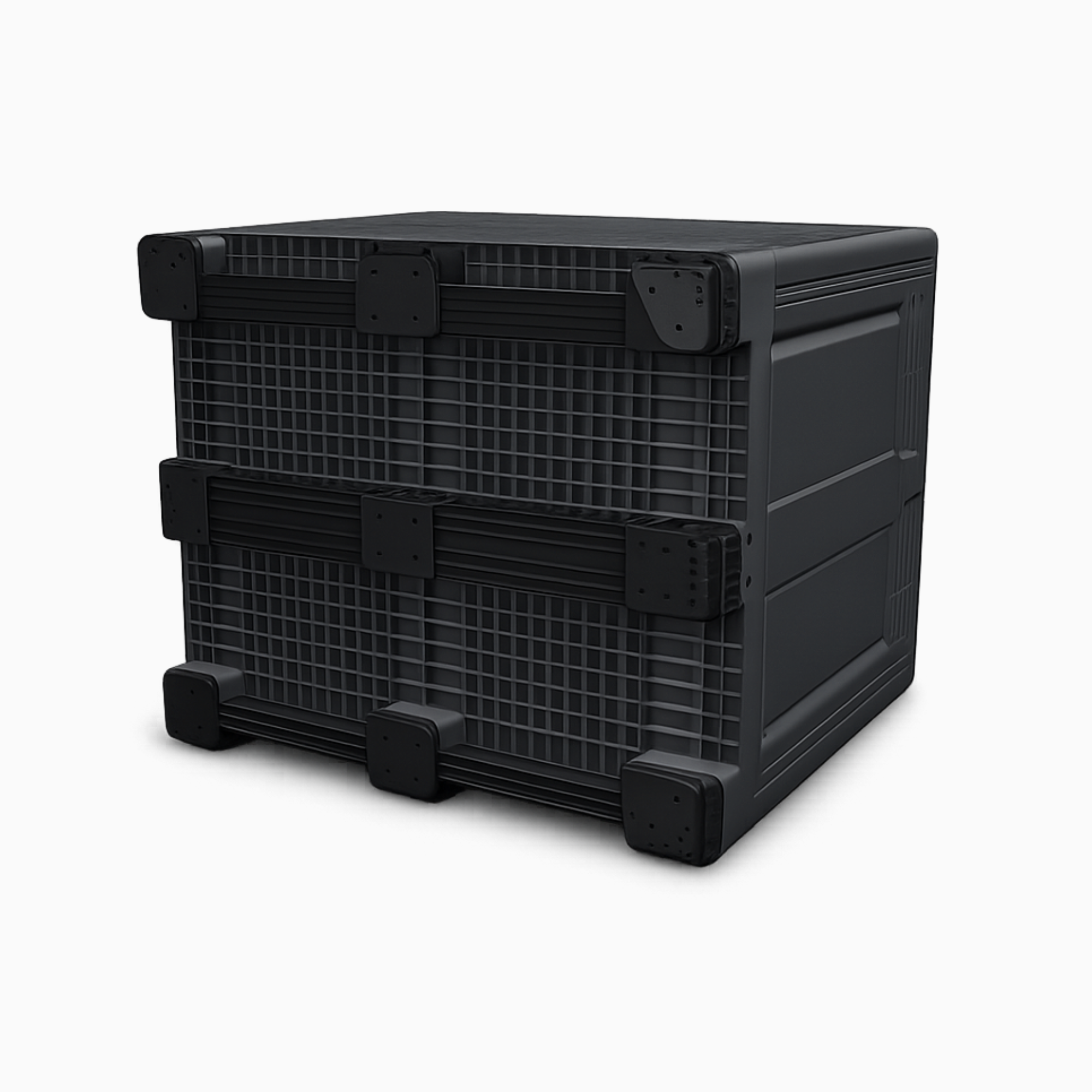
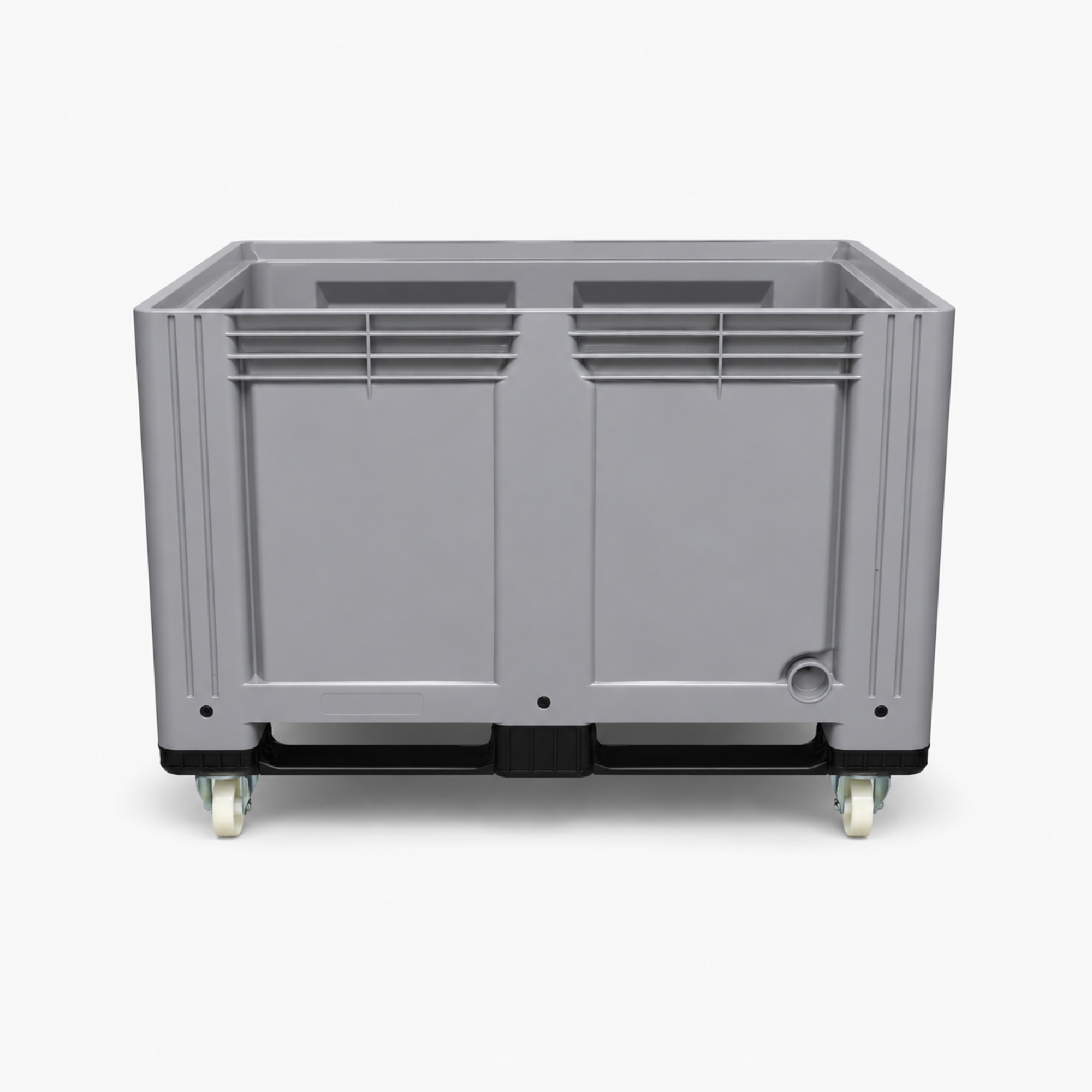
A plastic pallet box, also known as a pallet container, pallet crate or pallet storage container, is a heavy duty bulk handling unit designed to sit within a standard pallet footprint.
Most industrial pallet boxes are designed for:
- Bulk storage of materials, components or goods
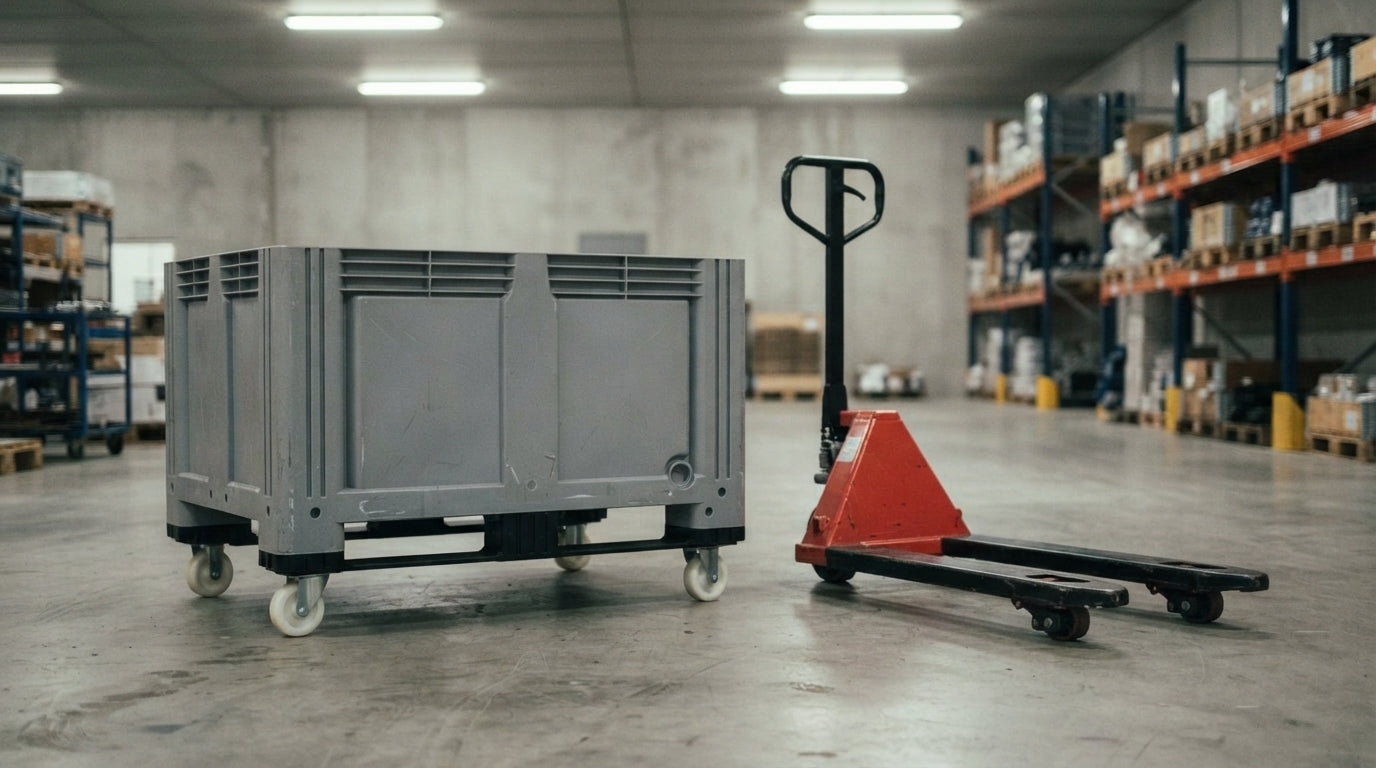
- Forklift and pallet truck handling
- Stacked warehouse or yard storage
- Palletised transport through UK freight networks
- Repeated use in industrial environments
Unlike smaller storage boxes, pallet boxes are designed to be moved by handling equipment rather than carried by hand. They are built for scale, consistency and repeat use.
View our full range of plastic pallet boxes.
What Size Pallet Box Do You Need?
Most industrial plastic pallet boxes are built around a standard 1200 x 1000mm pallet footprint. This makes them compatible with common warehouse layouts, forklift handling, pallet racking systems and transport planning.

Typical specifications include:
- External footprint: 1200 x 1000mm
- Volume capacity: around 610 litres
- Weight capacity: up to 500kg
- Material: High-Density Polyethylene (HDPE)
- Handling: forklift and pallet truck compatible
This standardisation matters because it allows pallet boxes to integrate into existing operations without redesigning storage areas, racking layouts or transport processes.
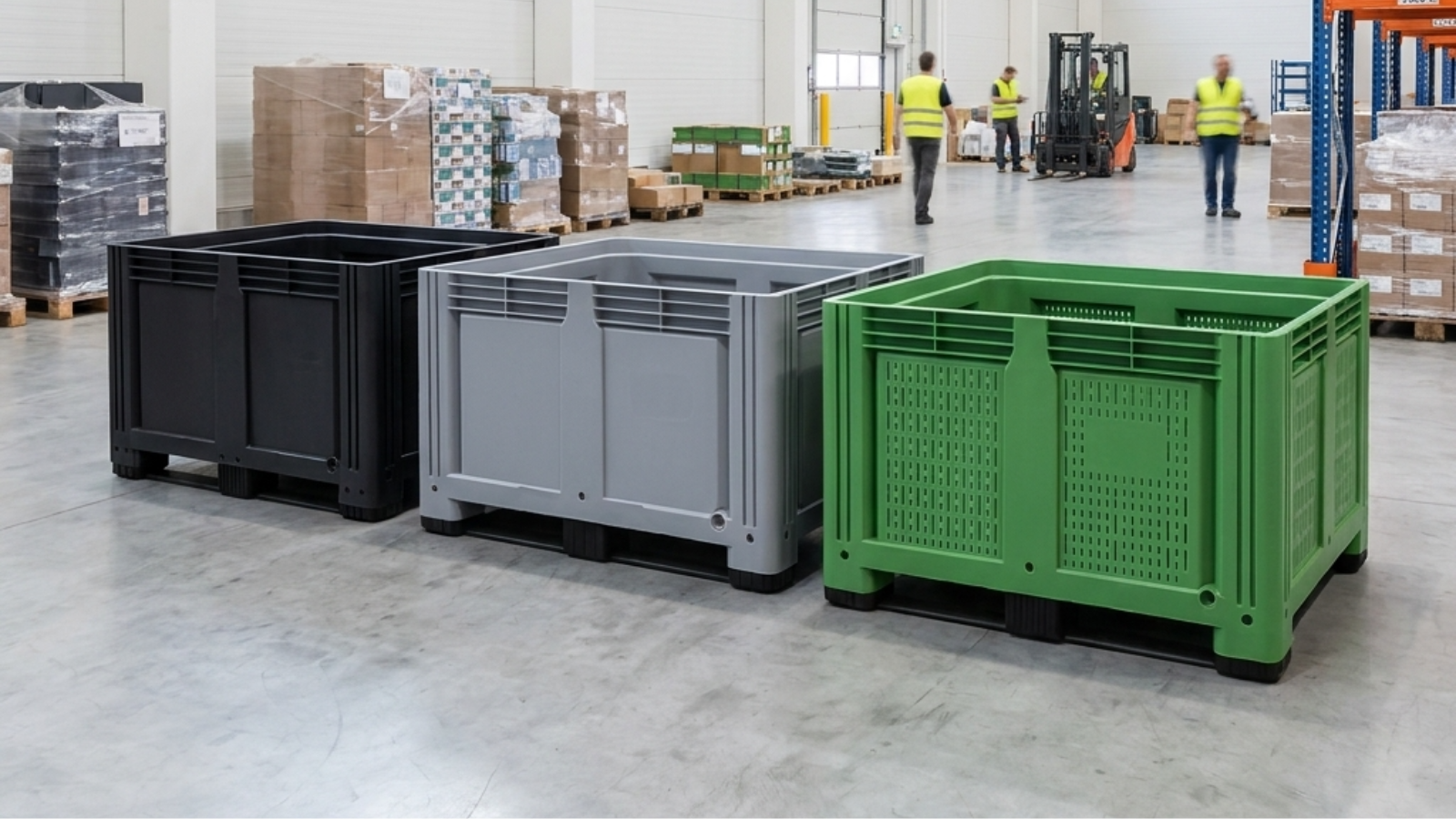
Solid vs Vented Pallet Boxes: Which Should You Choose?
One of the most important decisions is whether you need a solid pallet box or a vented pallet box.
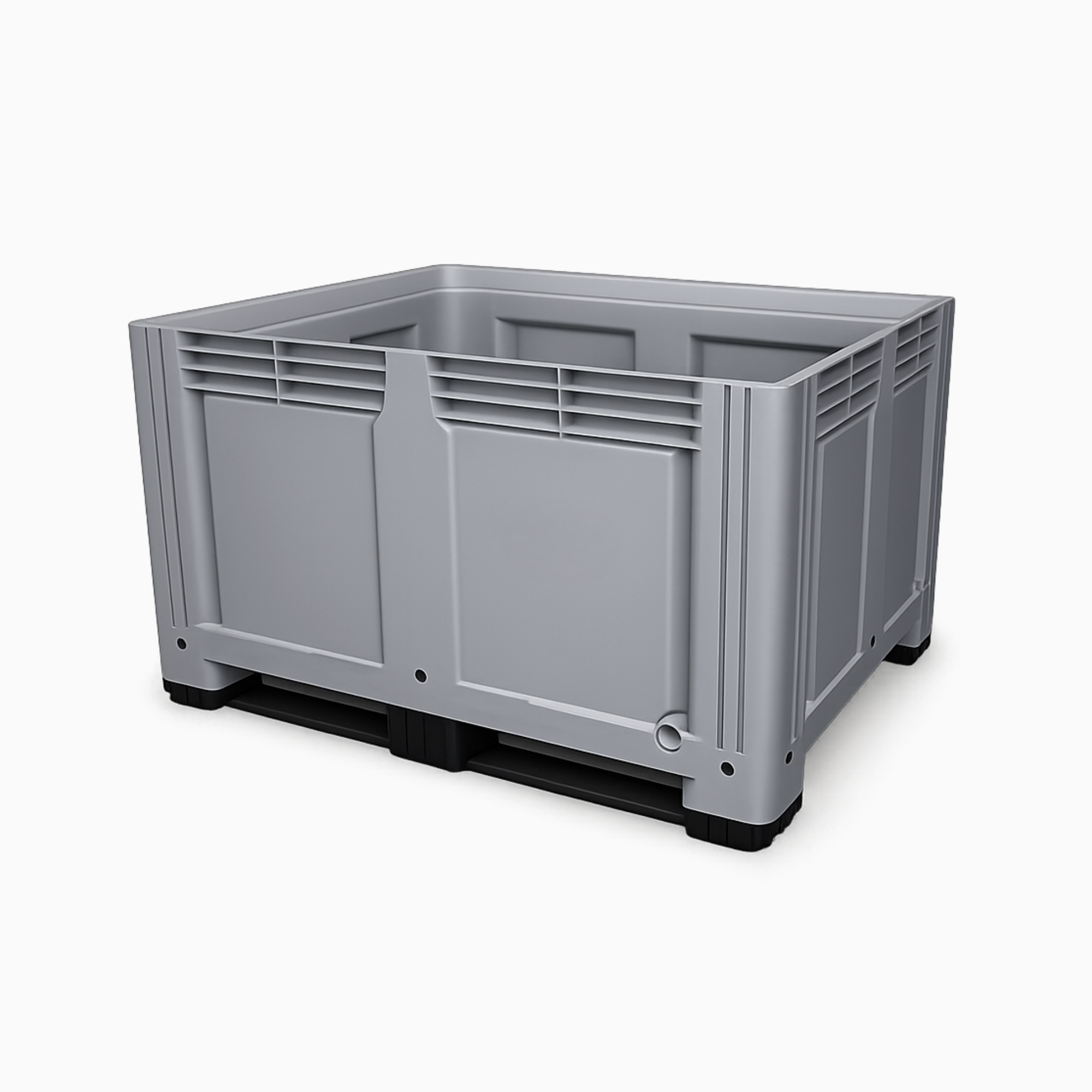
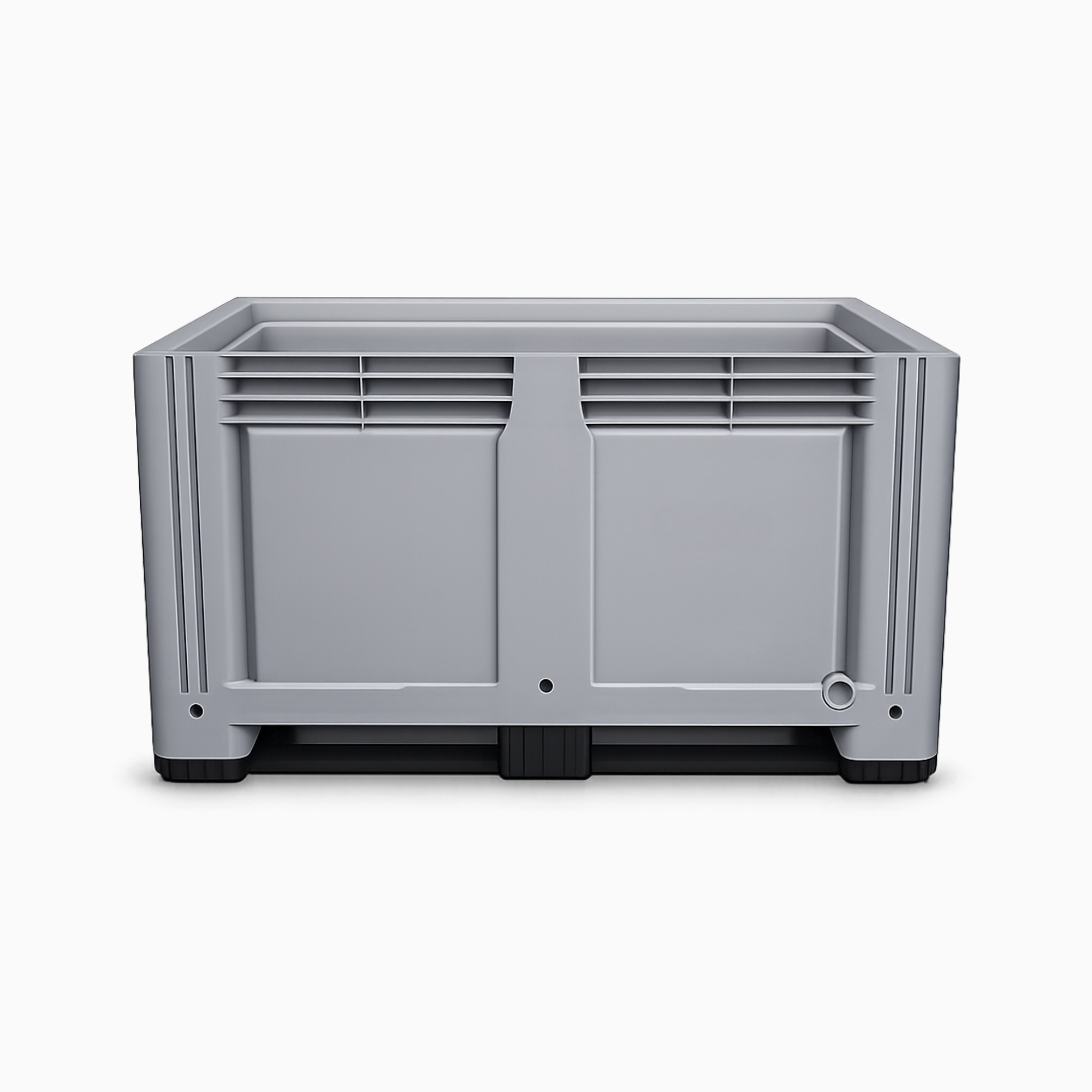
Solid Plastic Pallet Boxes

Solid pallet boxes are designed for containment. They are the right choice when materials need to stay enclosed, protected and secure during storage and movement.
They are commonly used for:
- Manufacturing components
- Construction materials
- Engineering parts
- Waste handling
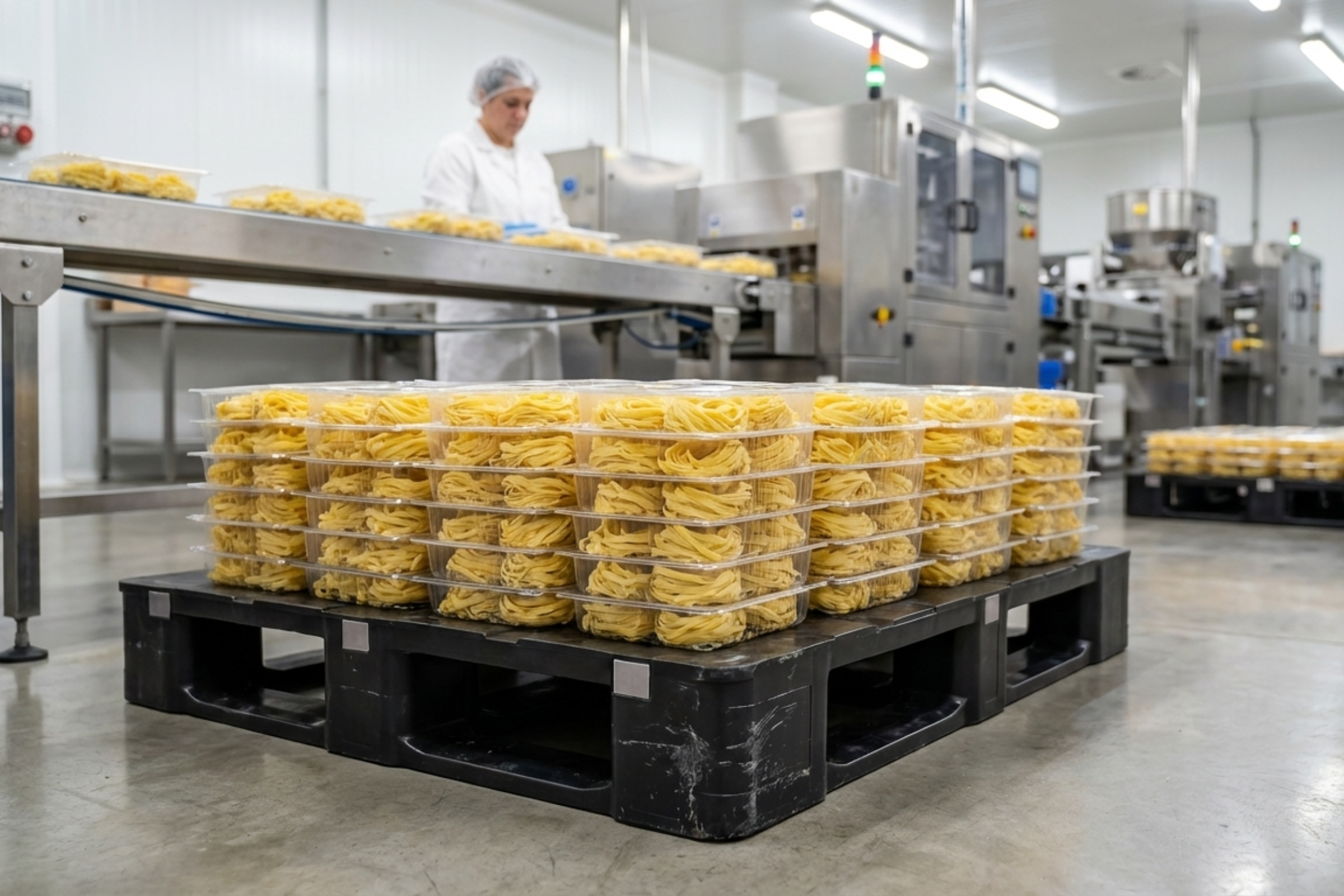
- Food ingredients and bulk goods
- Warehouse distribution
Solid sides and bases help prevent material loss during handling and transport. They are also well suited to wet materials, outdoor use and applications where drainage is either not required or can be controlled through a drilled outlet.
Explore solid plastic pallet boxes.
Vented Plastic Pallet Boxes

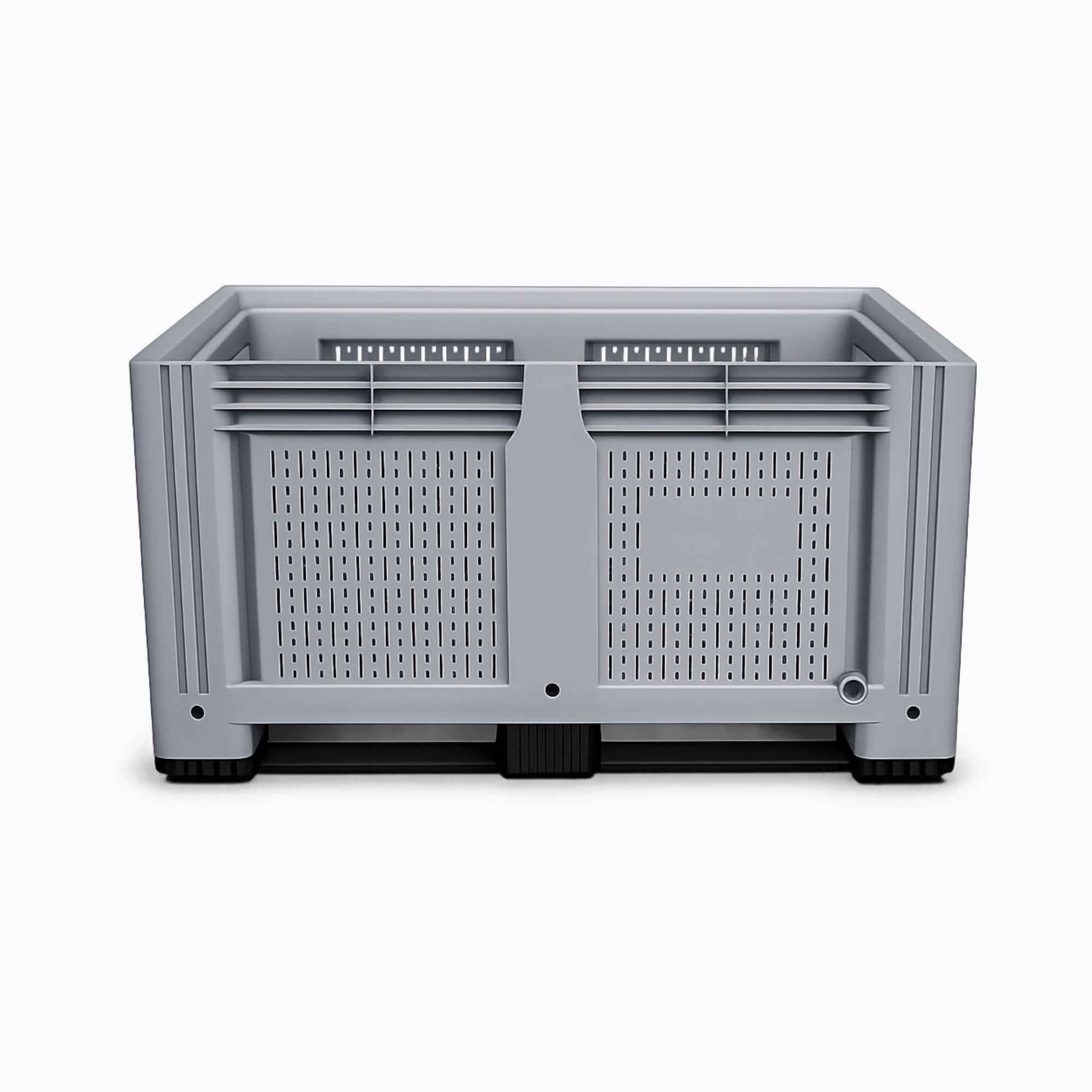
Vented pallet boxes are designed for airflow and drainage. They feature perforated sides and bases that allow air and moisture to move through the container.
They are commonly used for:
- Agricultural produce such as potatoes, onions and root vegetables
- Fresh produce pack houses
- Temperature-controlled logistics
- Seafood or chilled goods handling
- Wet by-products such as spent grain
If the material you are storing benefits from ventilation, drainage or reduced moisture build-up, a vented pallet box is usually the better choice.
Explore vented plastic pallet boxes.
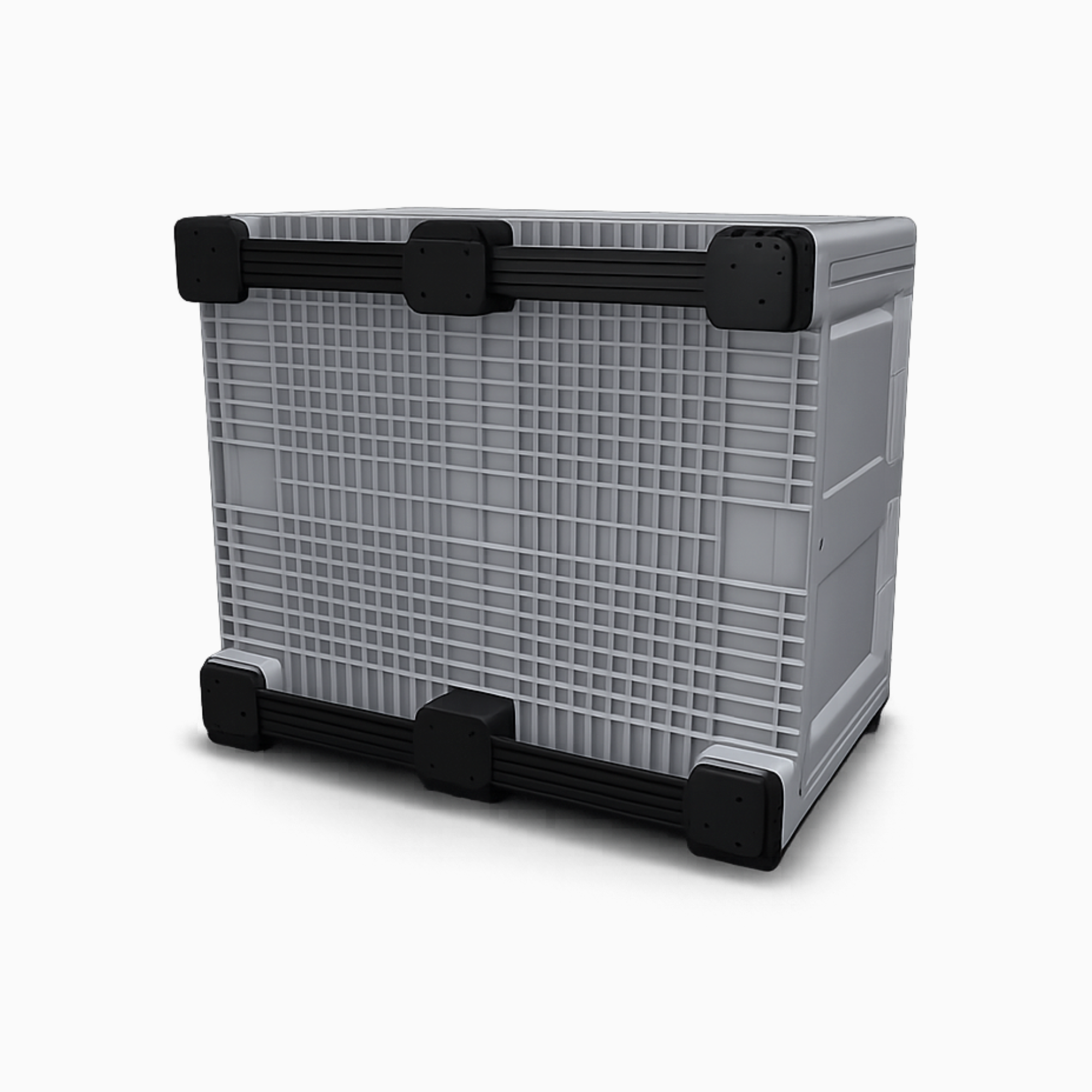
2 Skid vs 3 Skid Pallet Boxes

Skid configuration affects how the pallet box performs during lifting, stacking and movement.
2 Skid Pallet Boxes
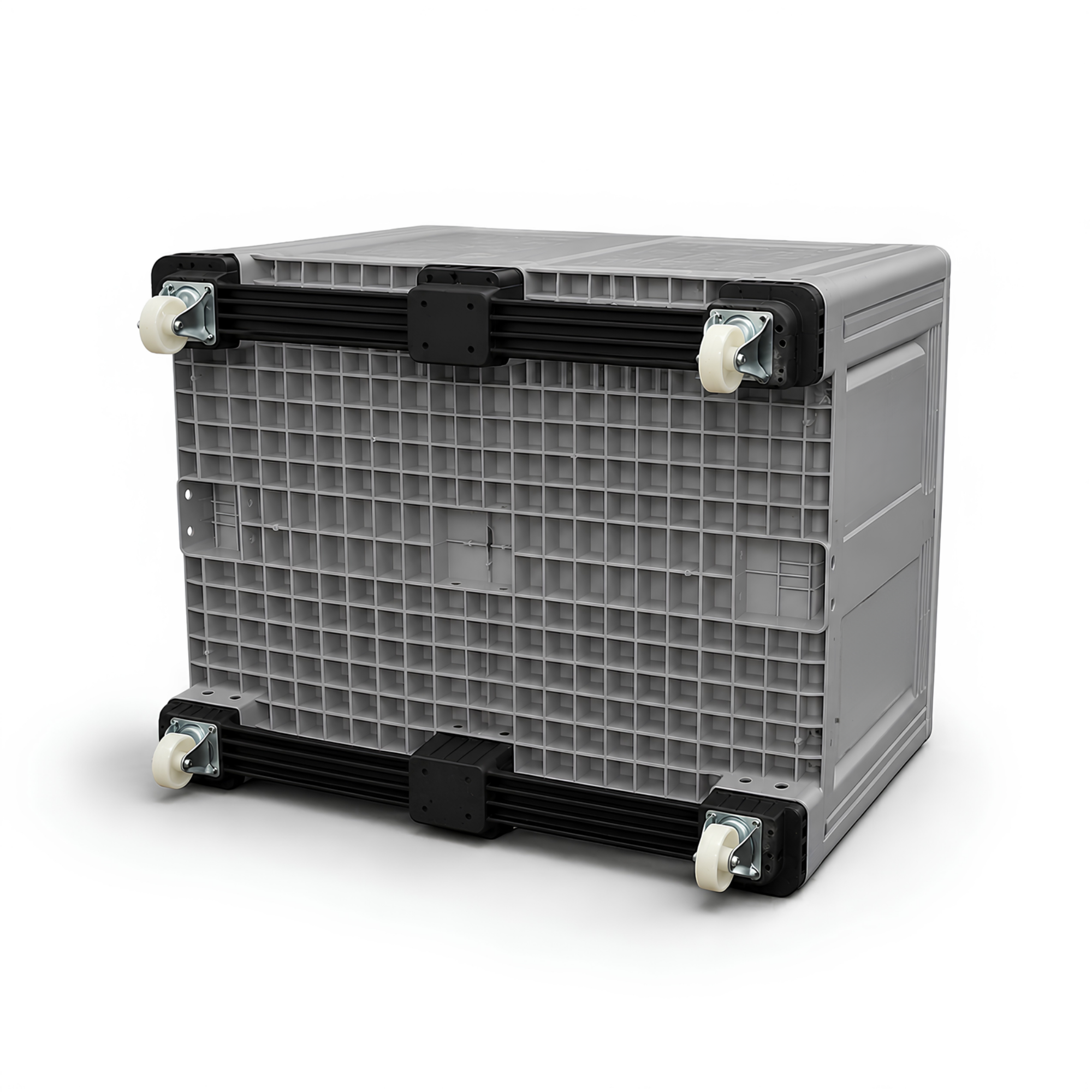
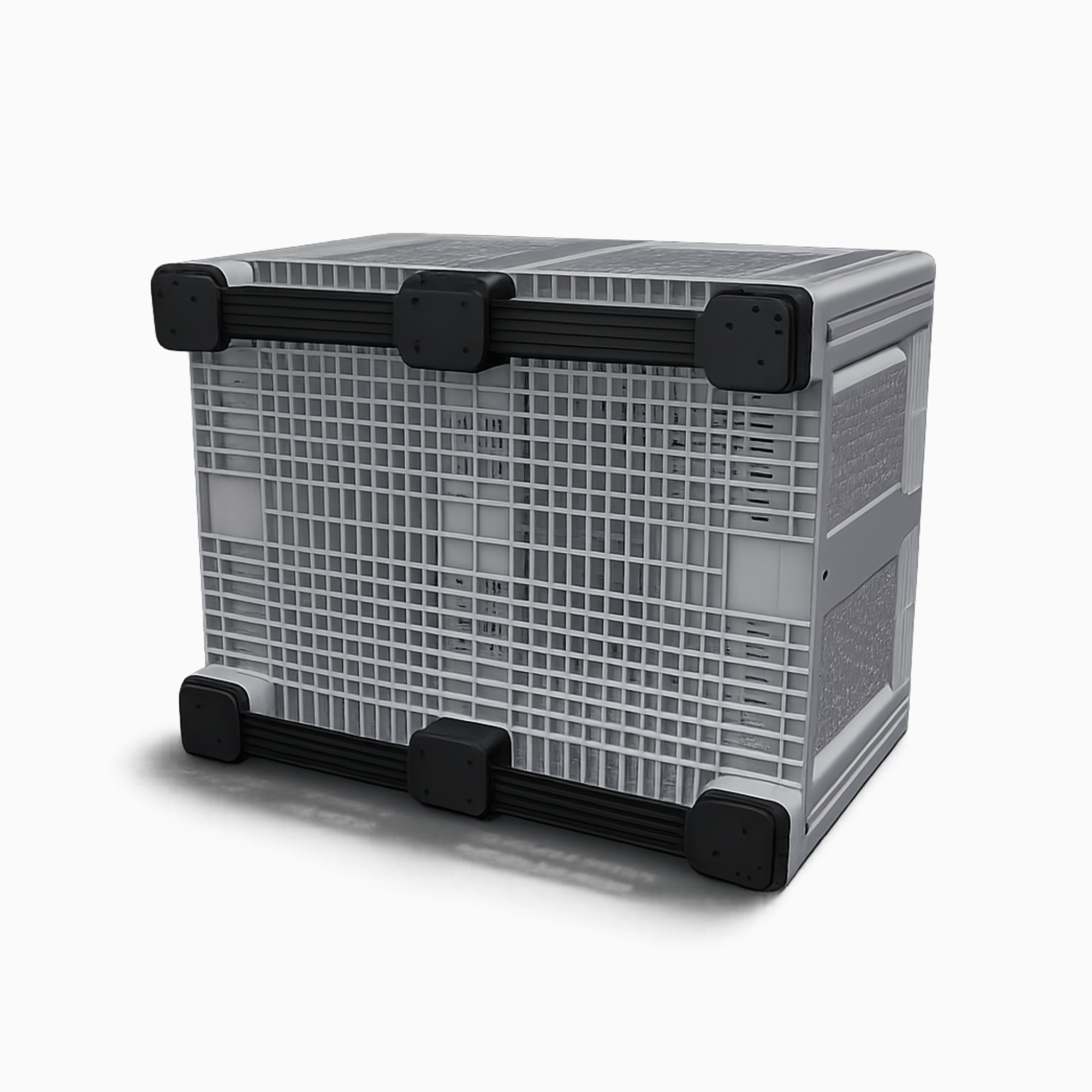
A 2 skid pallet box has two long runners along the base. This is a common configuration for standard forklift handling and warehouse use.
It is suitable for many industrial applications where the box is moved from the primary handling side and used within normal load limits.
3 Skid Pallet Boxes
A 3 skid pallet box includes an additional central runner. This improves directional stability and support under heavier loads.
For applications involving frequent movement, heavier materials or more demanding handling conditions, a 3 skid pallet box can offer extra reassurance.
Some pallet boxes include 3 skids as standard, while others can be upgraded with an additional central skid. View our three skid base upgrade.
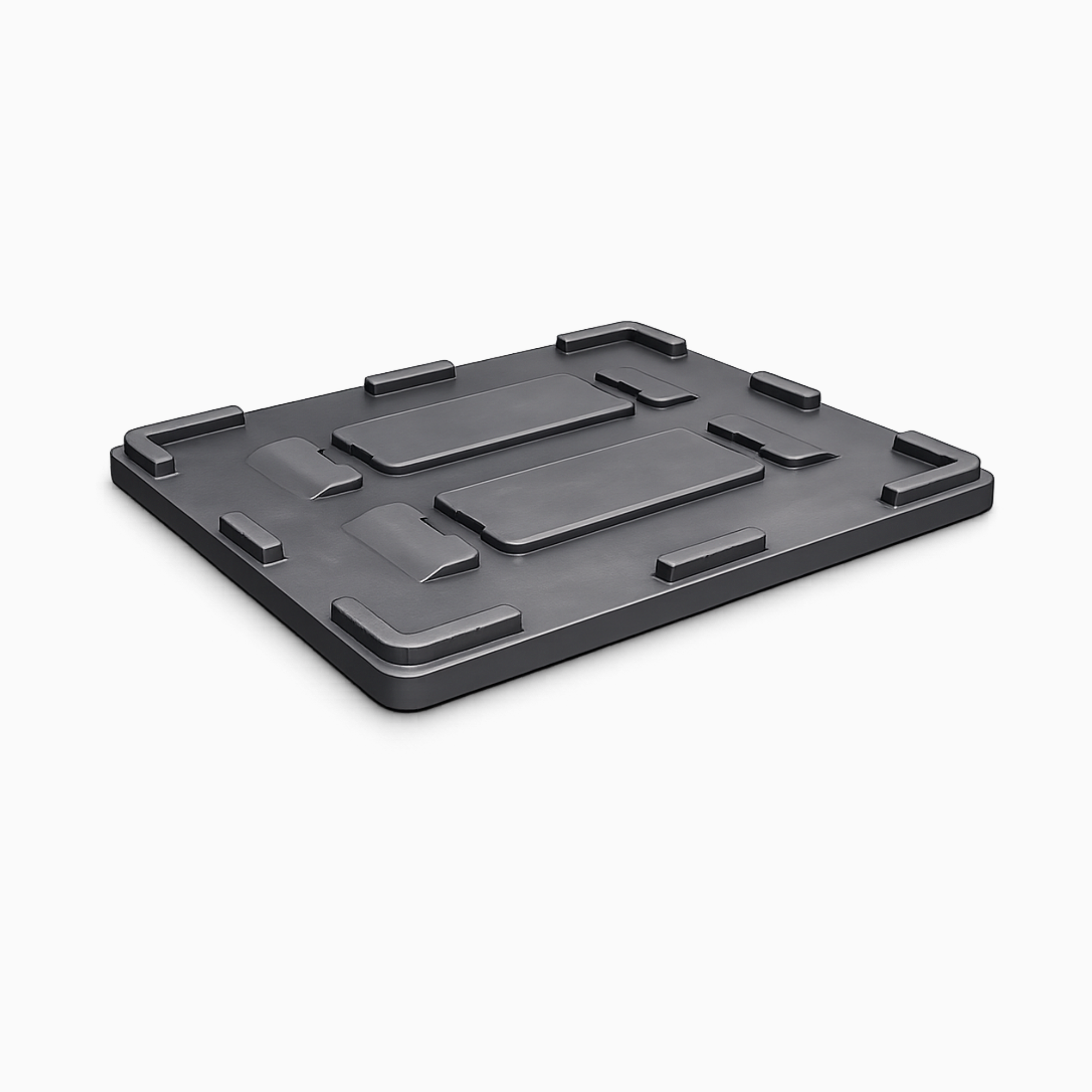
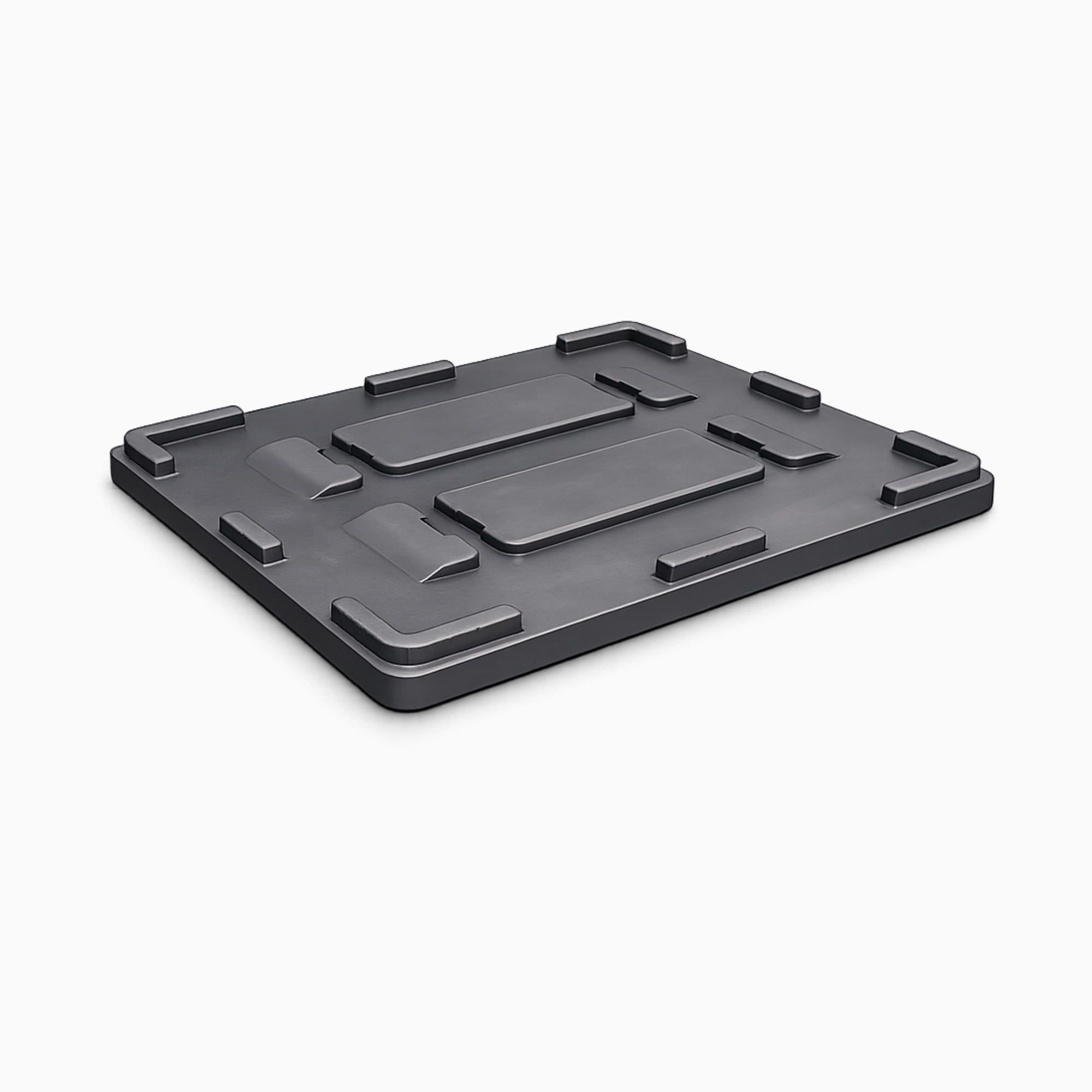
Do You Need a Pallet Box Lid?

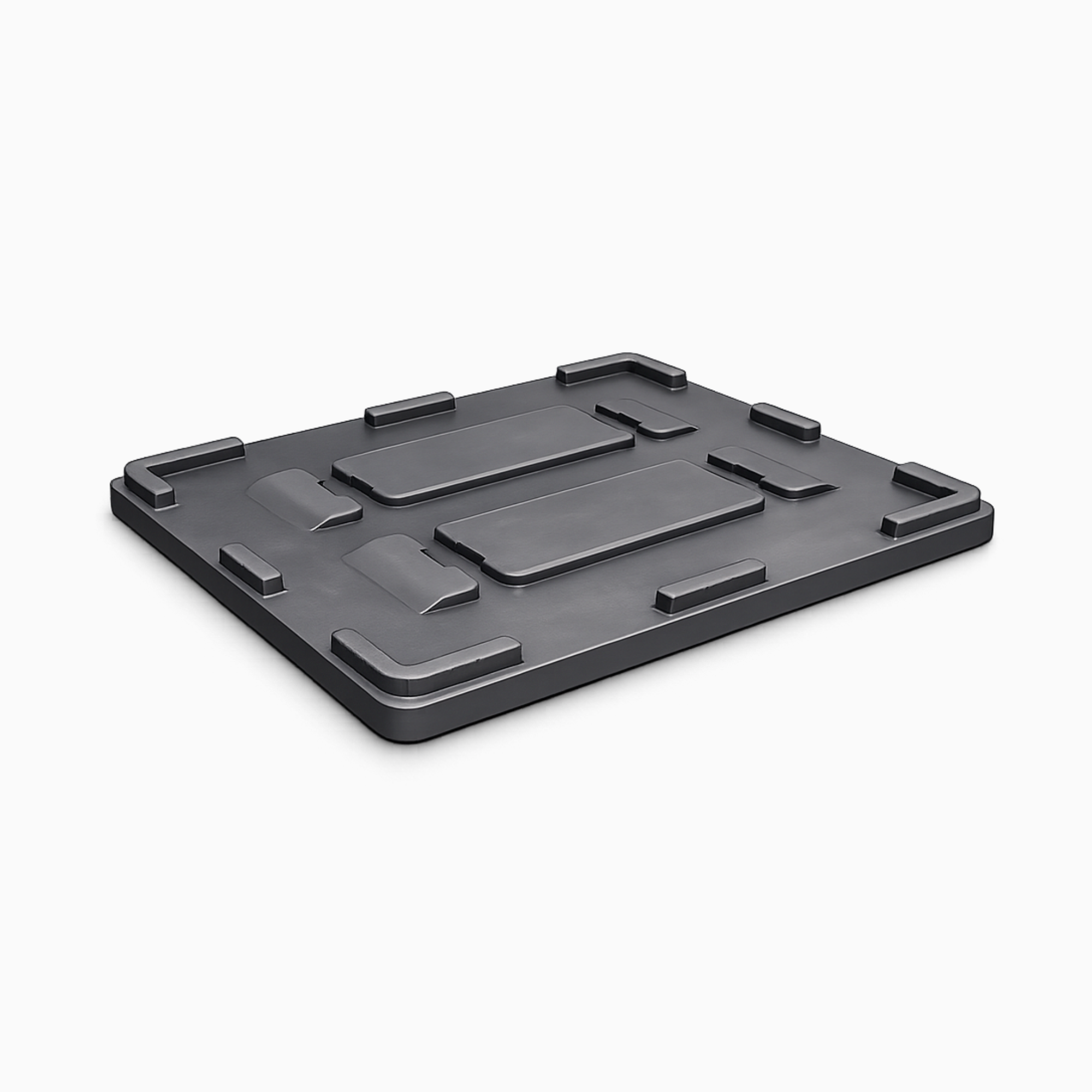
A pallet box lid is useful where contents need extra protection from rain, debris, dust or general warehouse contamination.
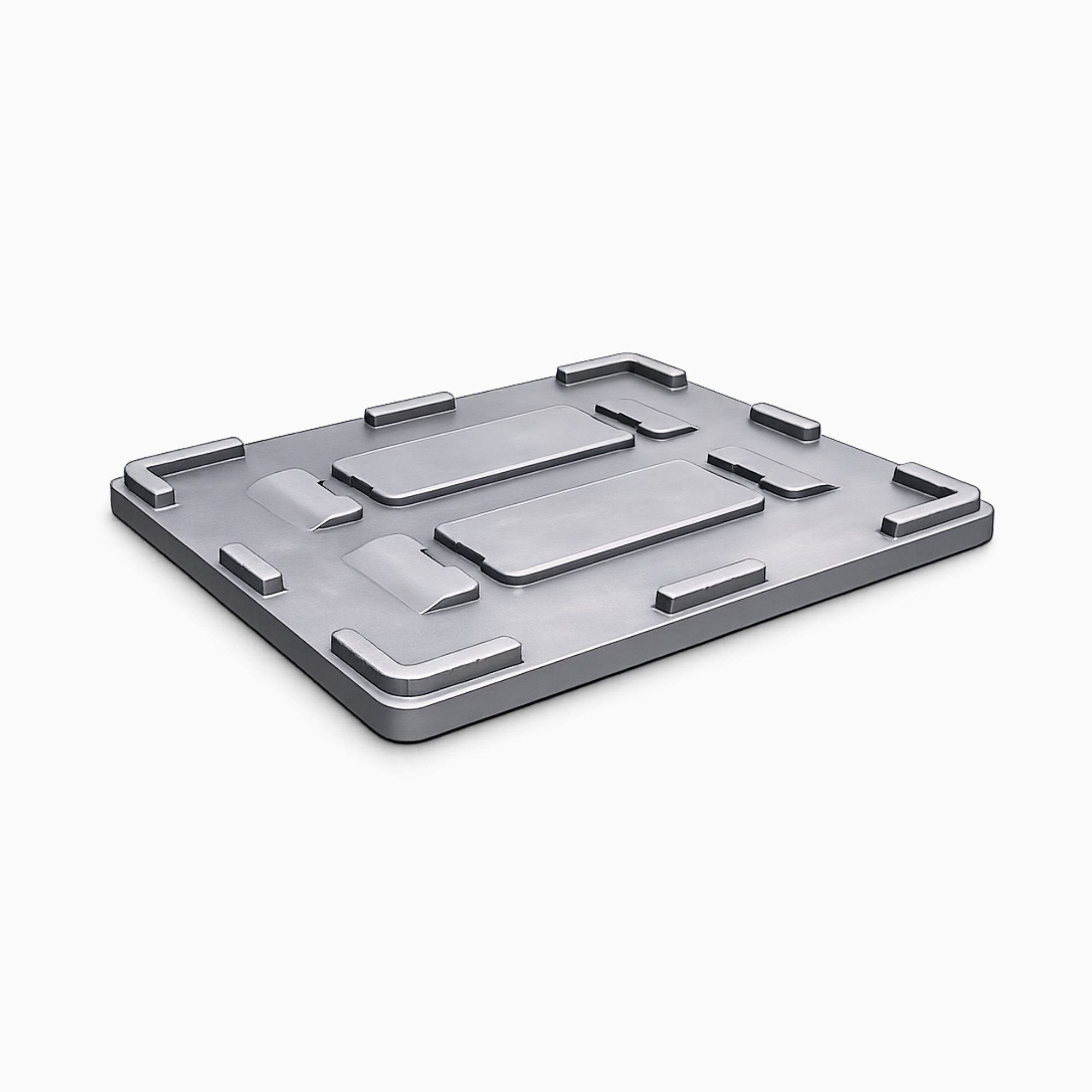
Drop-on pallet box lids are not usually designed to clip or seal airtight. Instead, they sit securely on top of the box and provide practical protection during storage and transport.
A good pallet box lid should:
- Fit snugly across the top of the container
- Allow boxes to stack securely when fitted
- Help protect contents from rain and debris
- Include grooves for straps or ratchet straps where required
- Nest together for efficient storage when not in use
If your pallet boxes will be stored outdoors, transported regularly or used for materials that need top coverage, a lid is a sensible add-on.
View our plastic pallet box lid.
Plastic vs Wooden Pallet Boxes

Wooden pallet boxes and timber pallet crates are still used in some industries, but plastic pallet boxes offer several advantages for repeated industrial use.
Plastic pallet boxes do not:
- Absorb moisture
- Splinter
- Rot
- Corrode
- Require the same level of maintenance
HDPE plastic is also easier to wash down, making it more suitable for food production, wet environments and operations where cleanliness matters.
Wood may be lower cost upfront, but plastic pallet containers usually provide better long-term consistency, especially where boxes are handled daily, stacked repeatedly or exposed to damp conditions.
New vs Used Pallet Boxes
Used pallet boxes can be tempting if price is the only concern. The problem is that previous use is often unknown.
Second hand pallet boxes may have:
- Hidden cracks
- Worn skids
- Unknown load history
- Reduced stacking reliability
- Inconsistent dimensions across batches
For low-risk storage, used pallet boxes may be acceptable. But for industrial handling, food environments, repeat procurement or stacked storage, new plastic pallet boxes offer greater consistency and confidence.
Common Mistakes When Buying Pallet Boxes
Choosing Solid When You Need Vented
If you are storing fresh produce, wet materials or goods that need airflow, a solid pallet box can trap moisture. A vented pallet box is usually better for drainage and air circulation.
Choosing Vented When You Need Full Containment
If you are storing fine loose materials, powders, small components or anything that could escape through perforations, a solid pallet box is the safer option.
Ignoring Skid Configuration
Skid layout affects stability during lifting and movement. If your operation involves heavier loads or frequent forklift handling, it is worth considering whether a 3 skid configuration is required.
Forgetting About Lids
If boxes are being stored outside or contents need protection from debris, adding lids at the point of purchase is usually easier than retrofitting them later.
Buying Only on Unit Price
The cheapest pallet box is not always the best value. Consider lifespan, handling stability, transport efficiency, stackability and replacement costs before making the decision.
Which Pallet Box Is Right for Your Operation?
The right pallet box depends on how it will be used.
- Choose a solid pallet box if you need secure containment for materials, components, waste or general industrial goods.
- Choose a vented pallet box if you need airflow, drainage or moisture control.
- Choose a 3 skid pallet box or upgrade if you require additional stability under heavier loads.
- Add a pallet box lid if contents need extra protection during storage or transport.
At Stack, our pallet box range is intentionally focused. Rather than offering thousands of loosely related products, we concentrate on industrial storage and handling equipment that works in real operations.
Browse our full range of plastic pallet boxes, including solid, vented, 2 skid and 3 skid options.



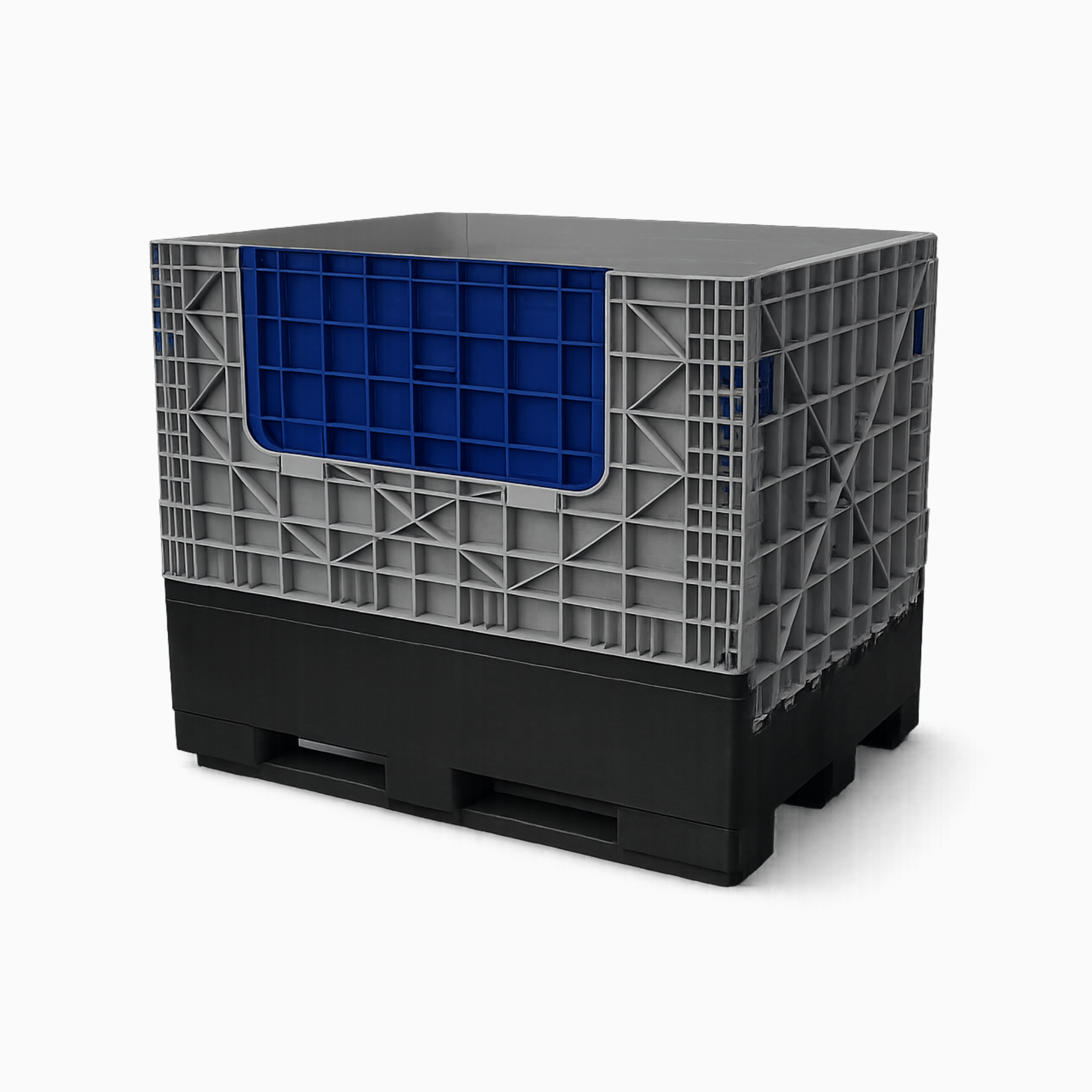
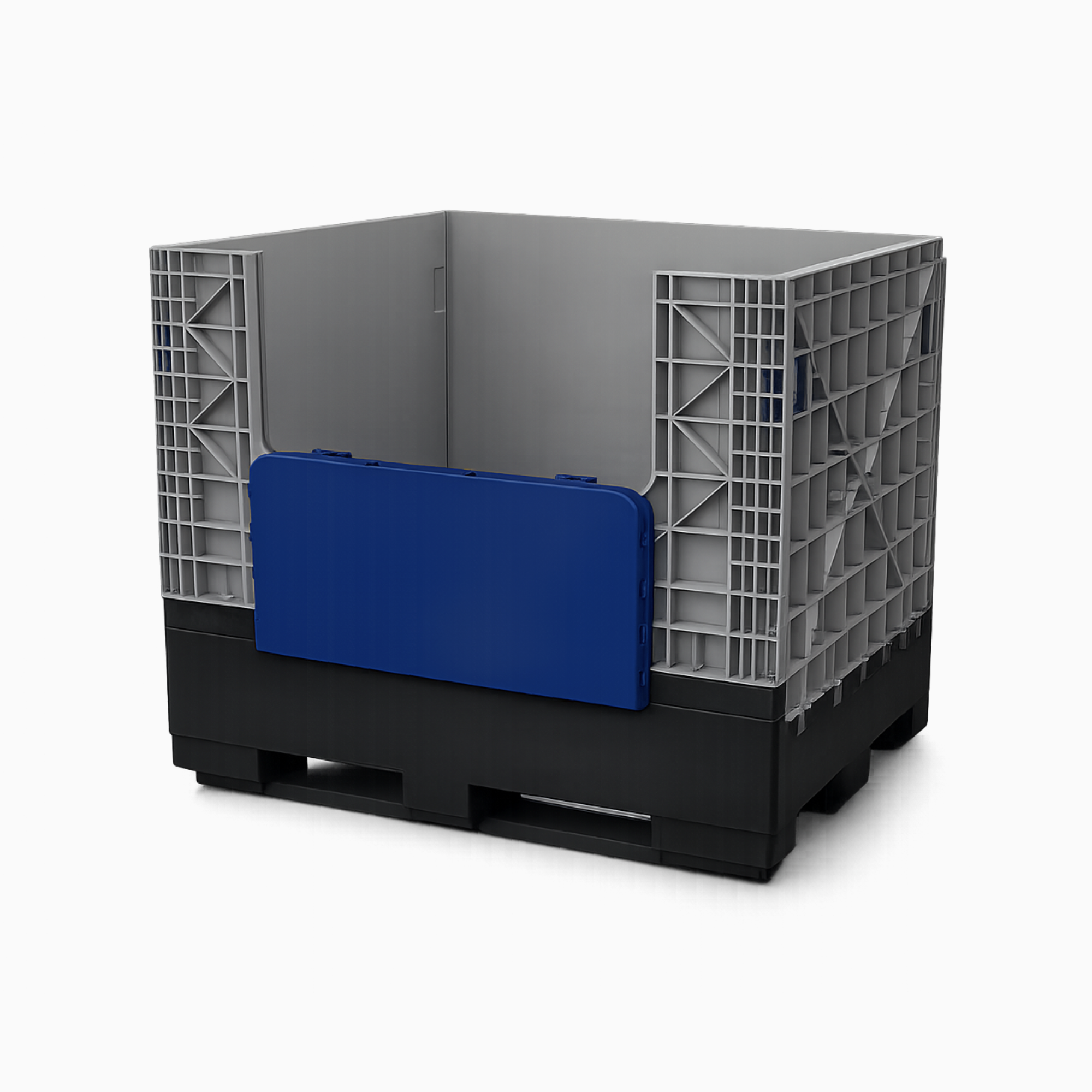
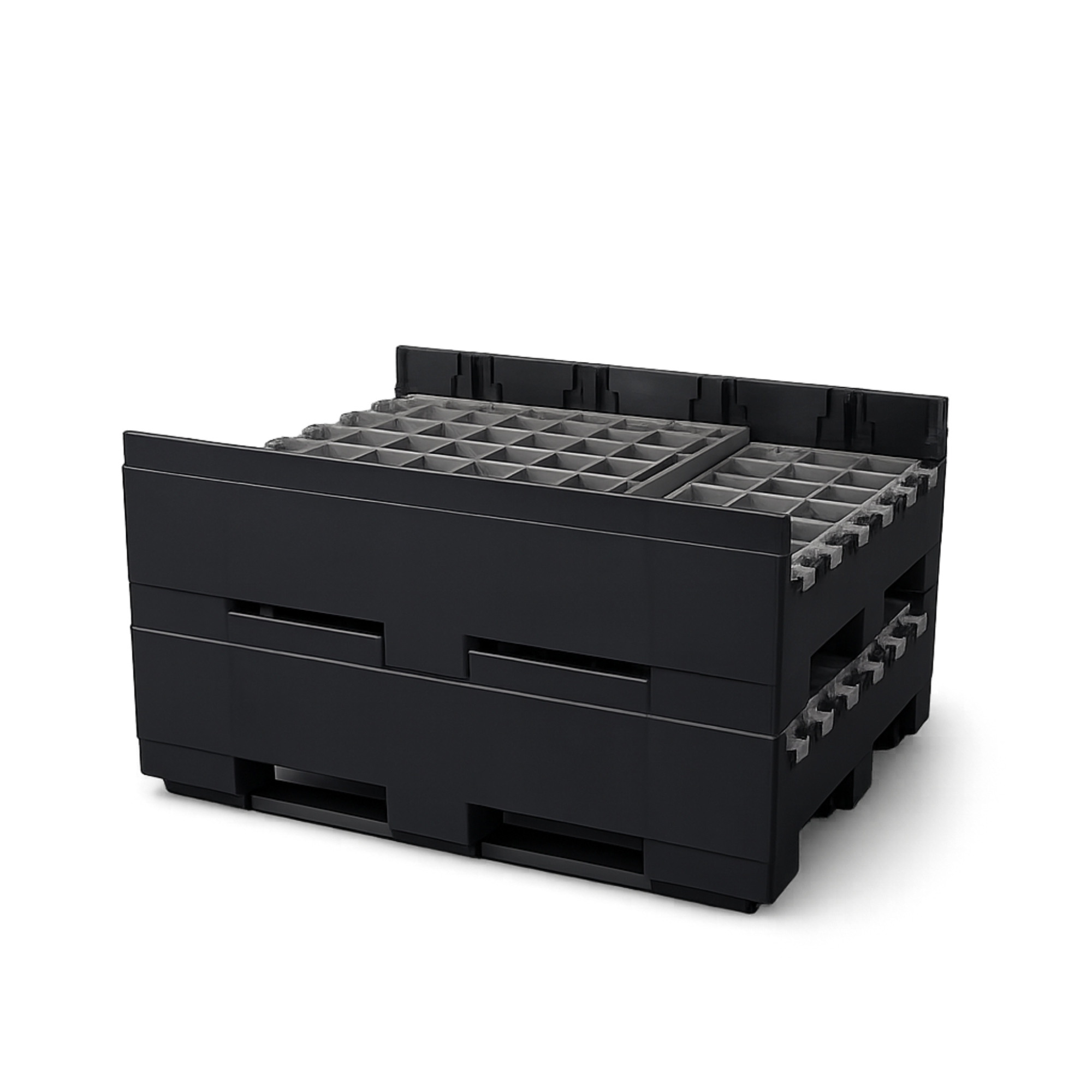

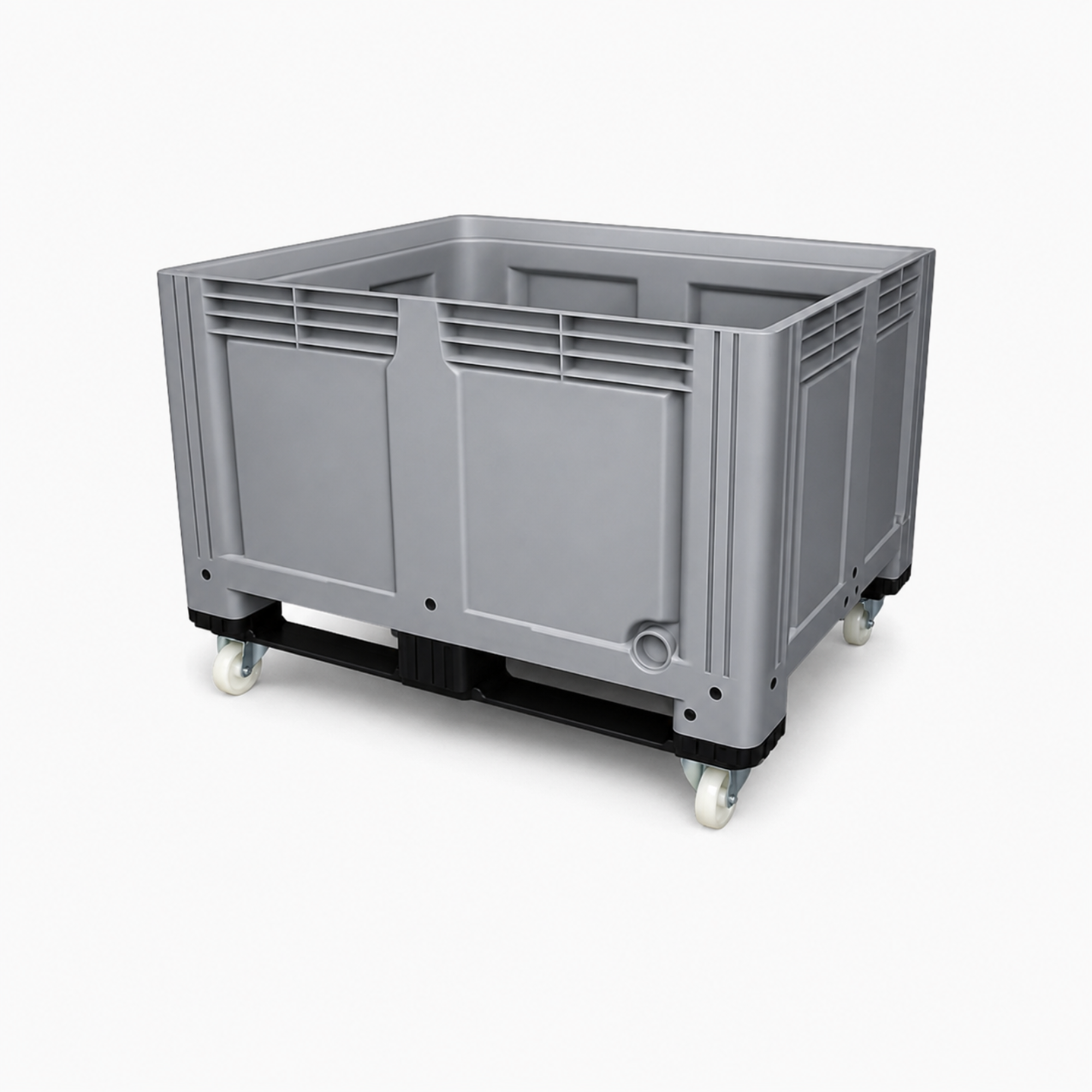
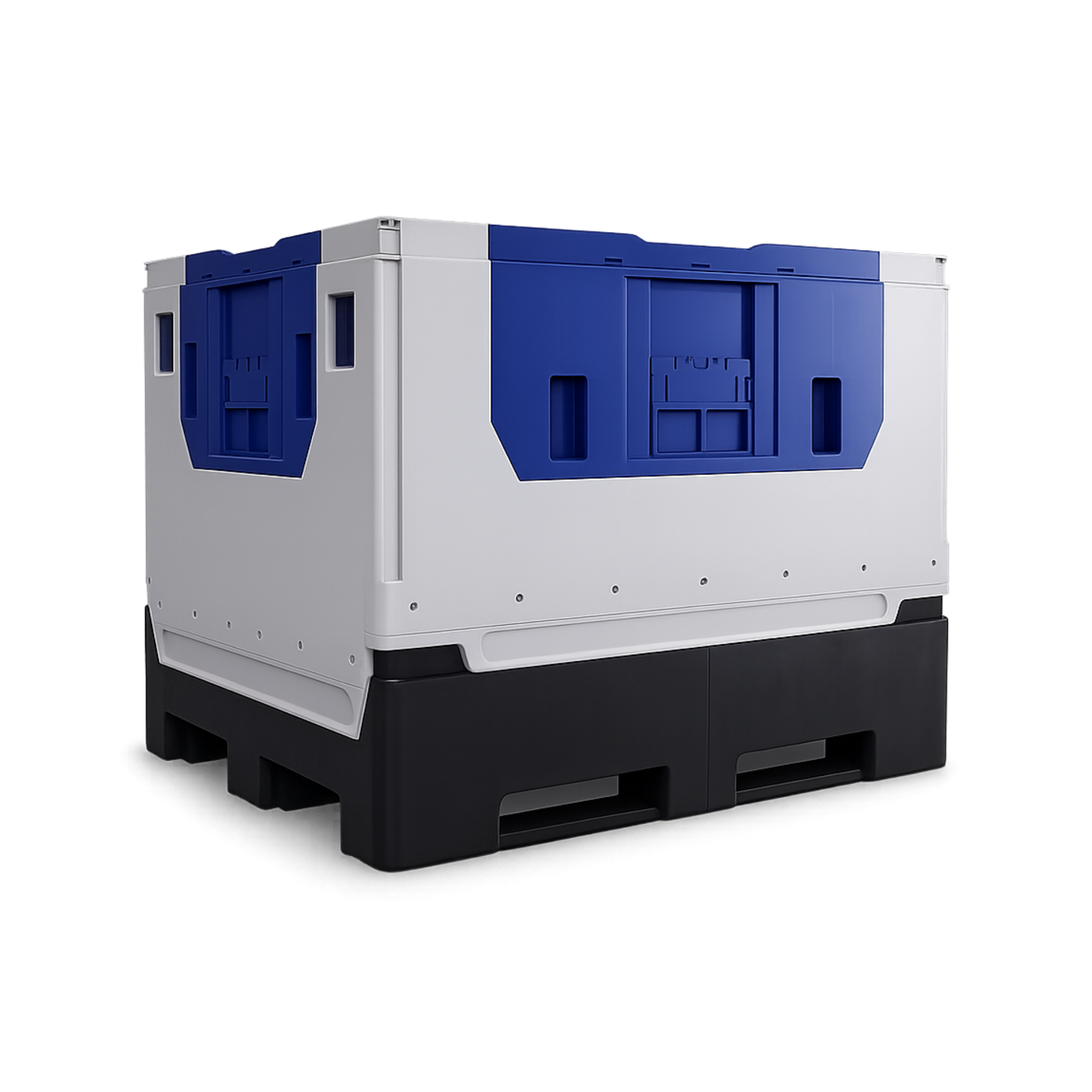
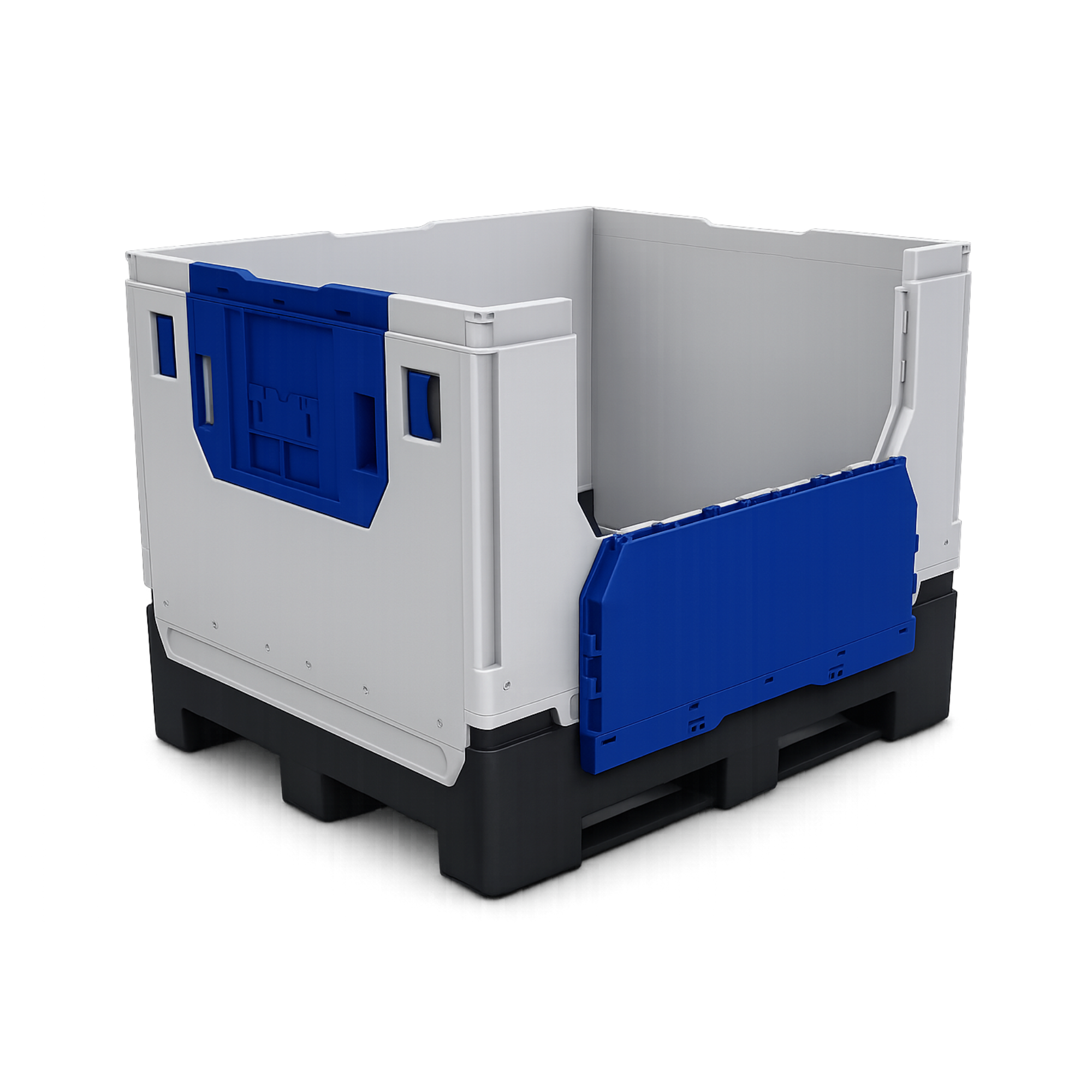
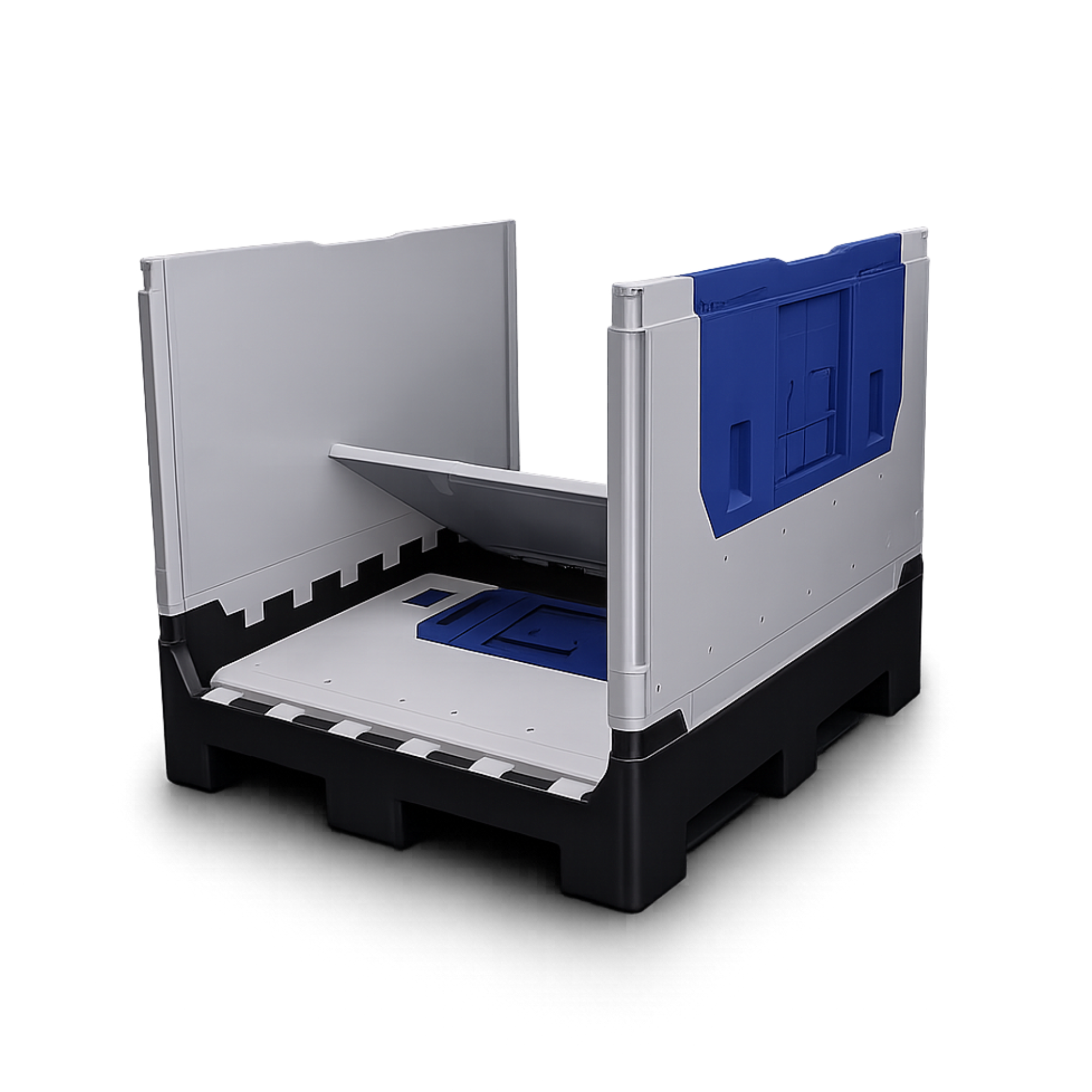
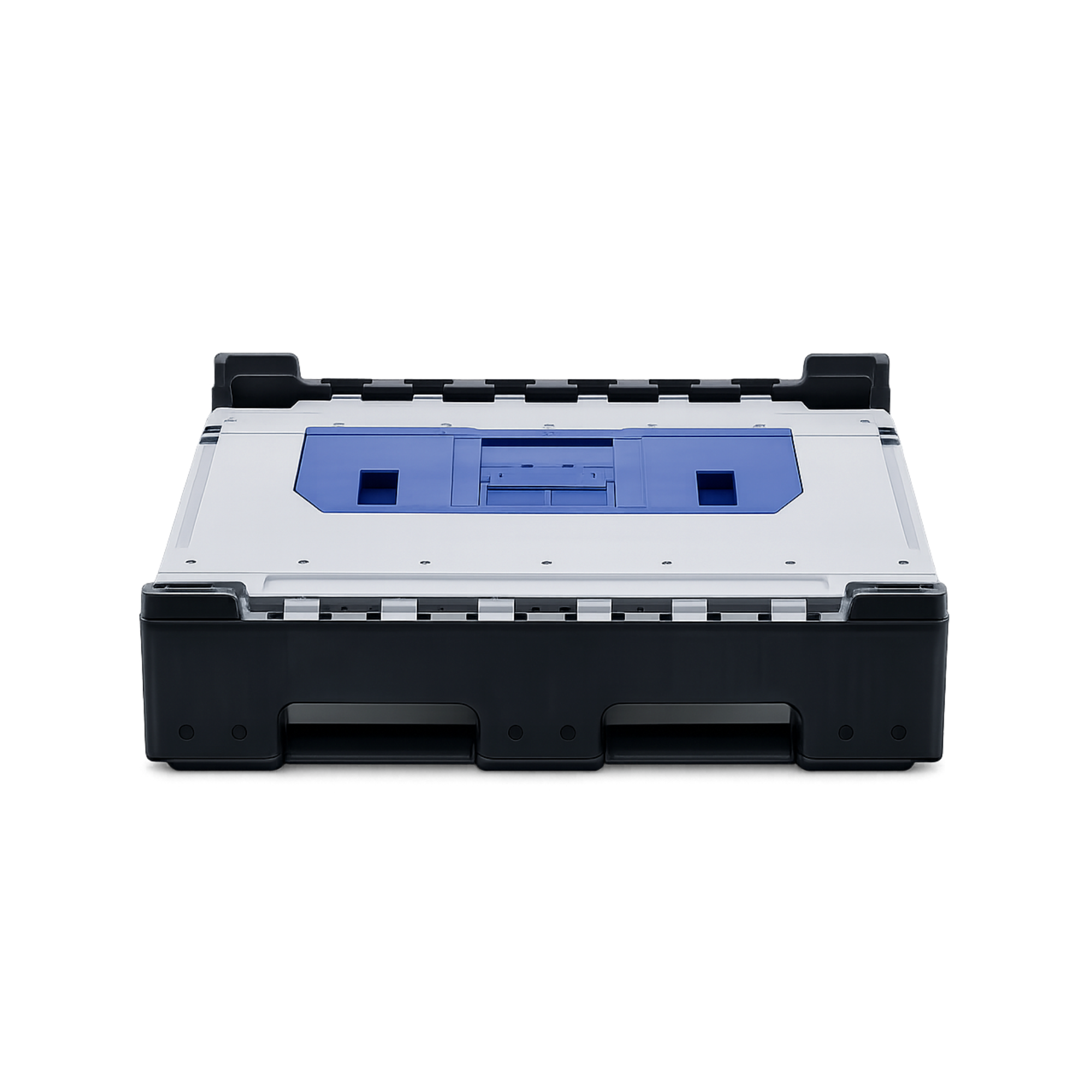

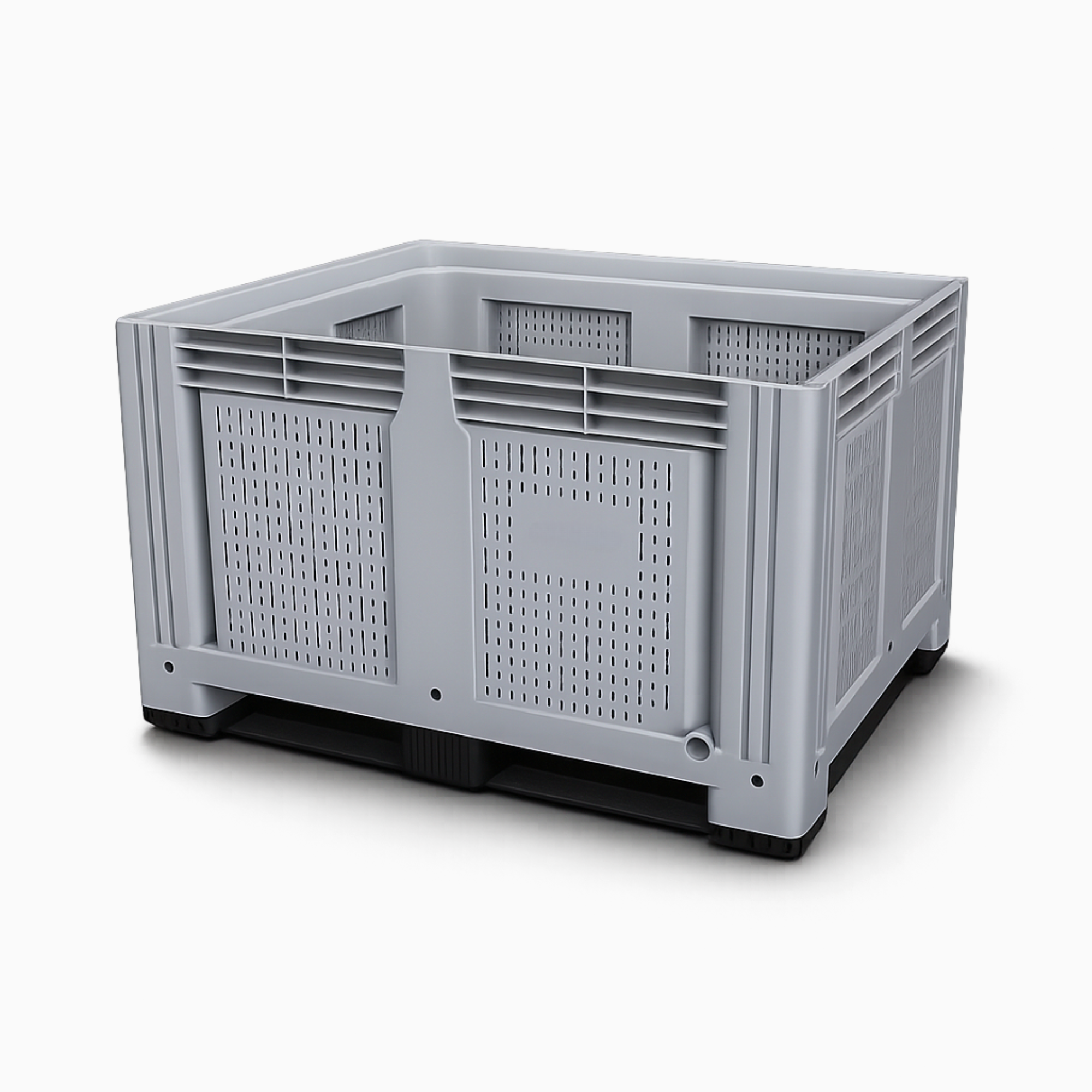
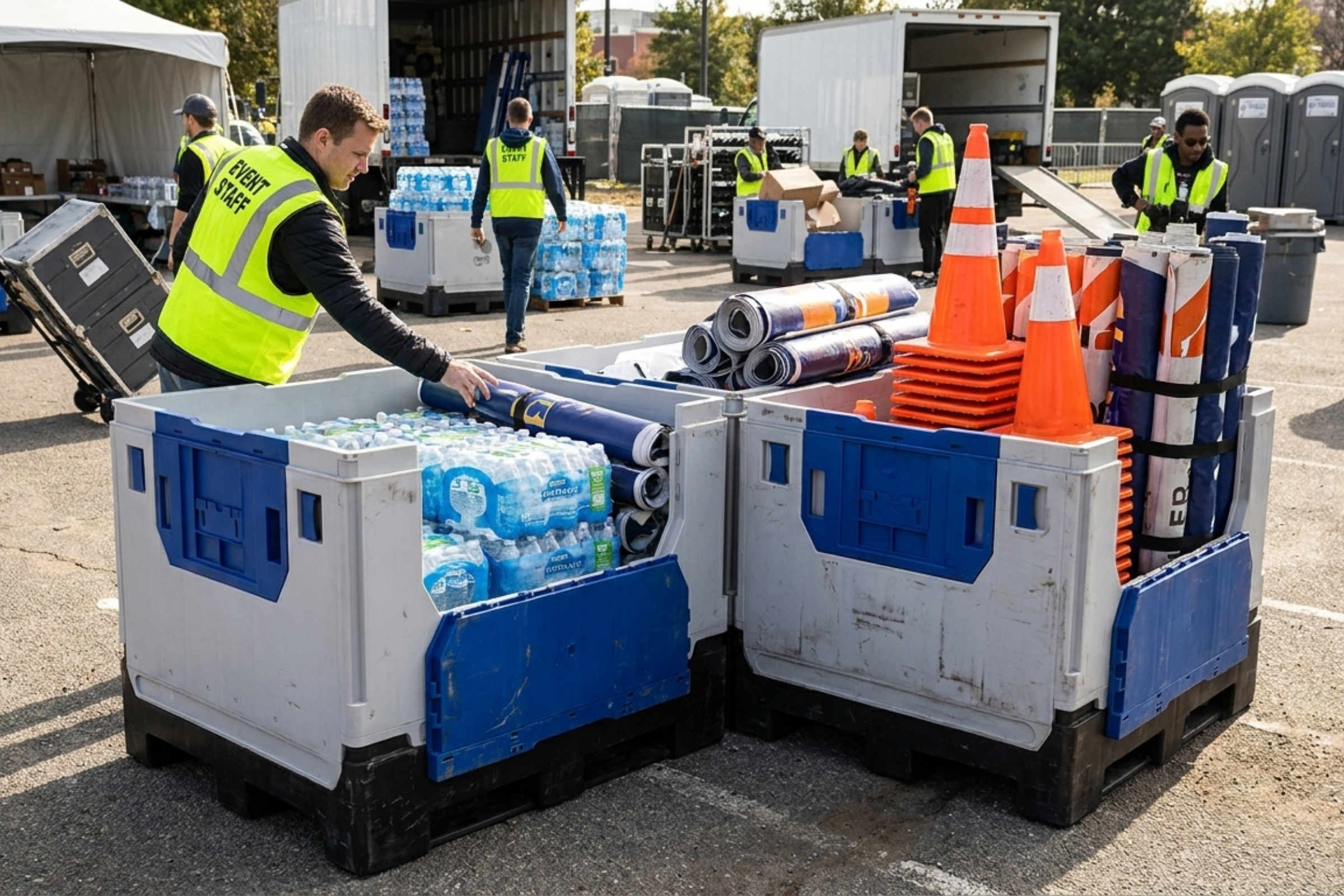
Collapsible Pallet Boxes vs Rigid Pallet Boxes: Which Is Right For Your Operation?